GPT 5.6 Sol


gpt-5.6-sol
GPT-5.6 Sol is a flagship large language model released by OpenAI in June 2026. Its key strengths include advanced reasoning, long-horizon agentic execution, software engineering, and cybersecurity capabilities.


 Trusted LLM Cluster
Faster, smarter, larger AI models at unbeatable value

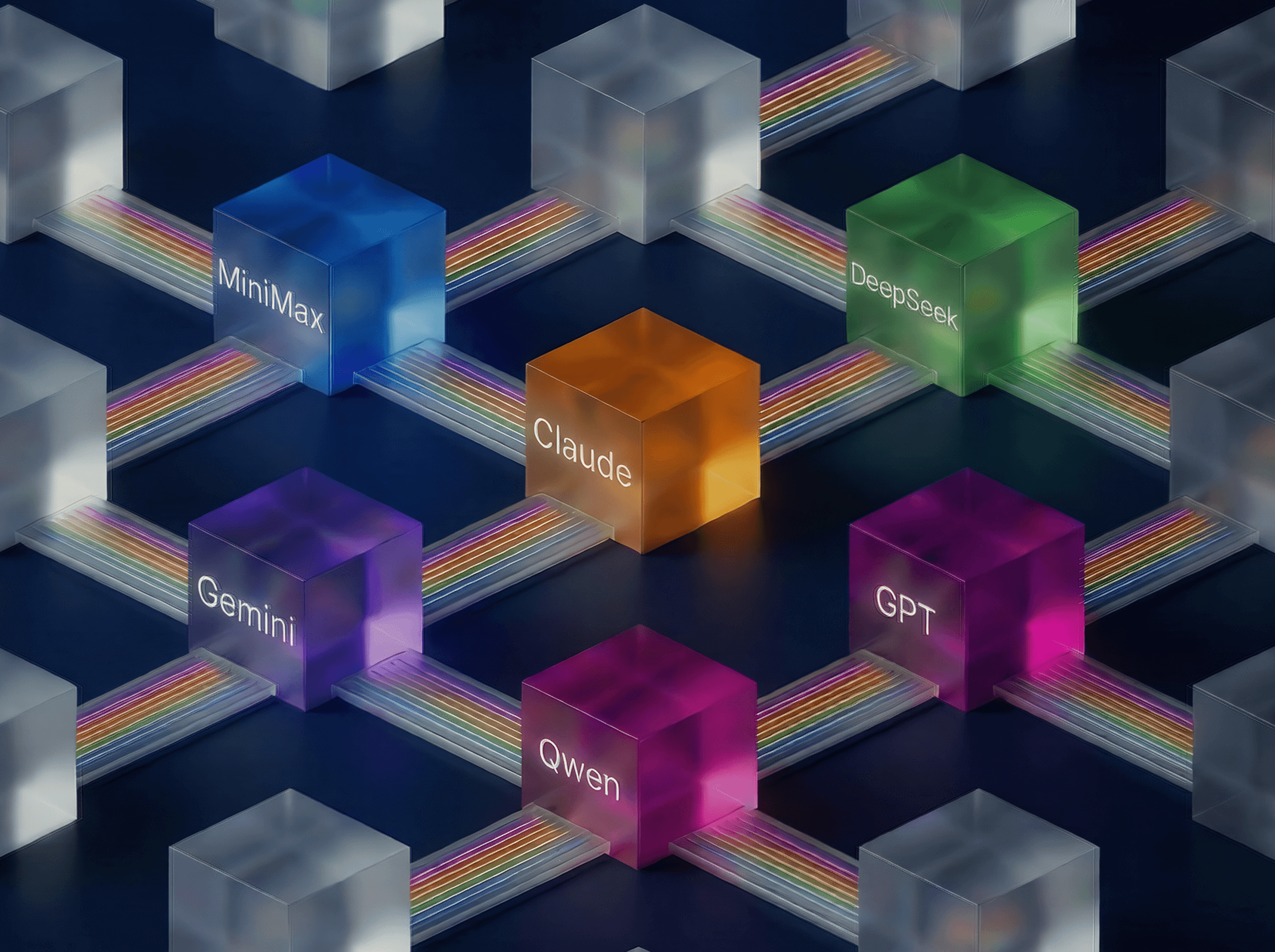
 Models Hub
 Web Search
 Search API
 AI Coding
One API accesses global open-source & commercial LLMs
Updated Aug 20, 2026
GPT-5.6 Sol is a flagship large language model released by OpenAI in June 2026. Its key strengths include advanced reasoning, long-horizon agentic execution, software engineering, and cybersecurity capabilities.
GPT-Image-2 is a new-generation image generation model launched by OpenAI in April 2026, with native thinking and reasoning capabilities for logical visual planning.


Claude Fable 5 is Anthropic’s first commercially released Mythos-tier model and the debut model in the Claude 5 series, delivering exceptional coding, knowledge work, and visual understanding.


Kimi K3 is an open-weight multimodal large language model with a 1 million-token context window, native multimodal understanding, advanced agentic coding, and long-horizon knowledge work.


Qwen3.8 Max (Model ID: qwen3.8-max) is a flagship reasoning multimodal large language model released by Alibaba Qwen, previewed in July 2026 and officially launched in August 2026. Built on a Mixture-of-Experts (MoE) architecture with 2.4 trillion total parameters and approximately 95 billion active parameters per token, its key strengths include advanced reasoning, software engineering, agent execution, and multimodal understanding. The model supports text, image, and video inputs, features a 1M-token context window, and is designed for AI agents, software engineering, scientific research, enterprise AI, and other complex knowledge-intensive workloads. Alibaba also announced plans to release the model with open weights. Official benchmarks position it among the world’s leading frontier models.


deepseek-v4-pro-0813 is a flagship Mixture-of-Experts model with 1.6 trillion total parameters, a 1 million-token context window, and leading reasoning, code generation, and agent performance.


Gemini 3.6 Flash is a multimodal large language model released by Google in July 2026. Positioned as Google’s next-generation workhorse model, its key strengths include enhanced coding, agentic execution, multimodal understanding, and spatial reasoning. It also delivers lower latency, higher token efficiency, and a 1 million-token context window, making it ideal for large-scale production workloads. It is well suited for AI agents, software engineering, enterprise automation, multimodal assistants, and complex knowledge workflows.


grok-4.6 is a flagship reasoning and agentic large language model released by xAI on August 12, 2026. Its key strengths focus on coding, complex agentic tasks, engineering workflows, and knowledge work, with significant improvements over Grok 4.5 in long-horizon task execution, software engineering, office work, and AI research assistance. It supports text and image input, a 500K-token context window, function calling, web search, X search, and code execution, with multiple reasoning levels available. It is well suited for software development, AI agents, complex research, data analysis, and enterprise automation.

gemini-3-pro-image is Google DeepMind’s flagship multimodal image generation and understanding model, supporting 4K output, multilingual text rendering, and professional creative controls.


ByteDance-Seedream-5.0 (Seedream 5.0) is officially released by ByteDance’s Seed team on February 10, 2026. Positioned as a practical AI creation engine, it adopts a cross-image semantic alignment architecture and introduces real-time web retrieval enhancement for the first time, breaking through the time limitations of training data to accurately generate time-sensitive content (such as hot event posters and latest product renderings). Supporting 2K direct output and 4K AI-enhanced resolution, it adds a brush precise editing function for local redrawing and detail-level control, with multi-step logical reasoning and deep understanding of abstract prompts. Suitable for enterprise-level creation scenarios like commercial posters, product modeling, and news illustrations, it has been launched on platforms including CapCut and Jianying.
Seedance 2.0 adopts a unified multimodal audio-video joint generation architecture that supports text, image, audio, and video inputs, leading to comprehensive content reference and editing capabilities.


Kling V3 is a new‑generation multimodal video generation model launched by Kuaishou. It focuses on generating high‑quality narrative‑capable continuous video content from inputs such as text and images. In terms of multimodal capabilities, Kling V3 supports various input forms including text‑to‑video and image‑to‑video, and features native audio generation. It enables multi‑character voice acting, lip‑syncing and multilingual expression, further enhancing the realistic expressiveness and usability of videos.
GPT-5.6 Sol is a flagship large language model released by OpenAI in June 2026. Its key strengths include advanced reasoning, long-horizon agentic execution, software engineering, and cybersecurity capabilities.
GPT-Image-2 is a new-generation image generation model launched by OpenAI in April 2026, with native thinking and reasoning capabilities for logical visual planning.
Claude Fable 5 is Anthropic’s first commercially released Mythos-tier model and the debut model in the Claude 5 series, delivering exceptional coding, knowledge work, and visual understanding.
Kimi K3 is an open-weight multimodal large language model with a 1 million-token context window, native multimodal understanding, advanced agentic coding, and long-horizon knowledge work.
Qwen3.8 Max (Model ID: qwen3.8-max) is a flagship reasoning multimodal large language model released by Alibaba Qwen, previewed in July 2026 and officially launched in August 2026. Built on a Mixture-of-Experts (MoE) architecture with 2.4 trillion total parameters and approximately 95 billion active parameters per token, its key strengths include advanced reasoning, software engineering, agent execution, and multimodal understanding. The model supports text, image, and video inputs, features a 1M-token context window, and is designed for AI agents, software engineering, scientific research, enterprise AI, and other complex knowledge-intensive workloads. Alibaba also announced plans to release the model with open weights. Official benchmarks position it among the world’s leading frontier models.
deepseek-v4-pro-0813 is a flagship Mixture-of-Experts model with 1.6 trillion total parameters, a 1 million-token context window, and leading reasoning, code generation, and agent performance.
Gemini 3.6 Flash is a multimodal large language model released by Google in July 2026. Positioned as Google’s next-generation workhorse model, its key strengths include enhanced coding, agentic execution, multimodal understanding, and spatial reasoning. It also delivers lower latency, higher token efficiency, and a 1 million-token context window, making it ideal for large-scale production workloads. It is well suited for AI agents, software engineering, enterprise automation, multimodal assistants, and complex knowledge workflows.
grok-4.6 is a flagship reasoning and agentic large language model released by xAI on August 12, 2026. Its key strengths focus on coding, complex agentic tasks, engineering workflows, and knowledge work, with significant improvements over Grok 4.5 in long-horizon task execution, software engineering, office work, and AI research assistance. It supports text and image input, a 500K-token context window, function calling, web search, X search, and code execution, with multiple reasoning levels available. It is well suited for software development, AI agents, complex research, data analysis, and enterprise automation.
gemini-3-pro-image is Google DeepMind’s flagship multimodal image generation and understanding model, supporting 4K output, multilingual text rendering, and professional creative controls.
ByteDance-Seedream-5.0 (Seedream 5.0) is officially released by ByteDance’s Seed team on February 10, 2026. Positioned as a practical AI creation engine, it adopts a cross-image semantic alignment architecture and introduces real-time web retrieval enhancement for the first time, breaking through the time limitations of training data to accurately generate time-sensitive content (such as hot event posters and latest product renderings). Supporting 2K direct output and 4K AI-enhanced resolution, it adds a brush precise editing function for local redrawing and detail-level control, with multi-step logical reasoning and deep understanding of abstract prompts. Suitable for enterprise-level creation scenarios like commercial posters, product modeling, and news illustrations, it has been launched on platforms including CapCut and Jianying.
Seedance 2.0 adopts a unified multimodal audio-video joint generation architecture that supports text, image, audio, and video inputs, leading to comprehensive content reference and editing capabilities.
Kling V3 is a new‑generation multimodal video generation model launched by Kuaishou. It focuses on generating high‑quality narrative‑capable continuous video content from inputs such as text and images. In terms of multimodal capabilities, Kling V3 supports various input forms including text‑to‑video and image‑to‑video, and features native audio generation. It enables multi‑character voice acting, lip‑syncing and multilingual expression, further enhancing the realistic expressiveness and usability of videos.
Turn AI Visions into Reality

Optimizes workflows & agents. Powers smart CS, doc validation & deep data analysis
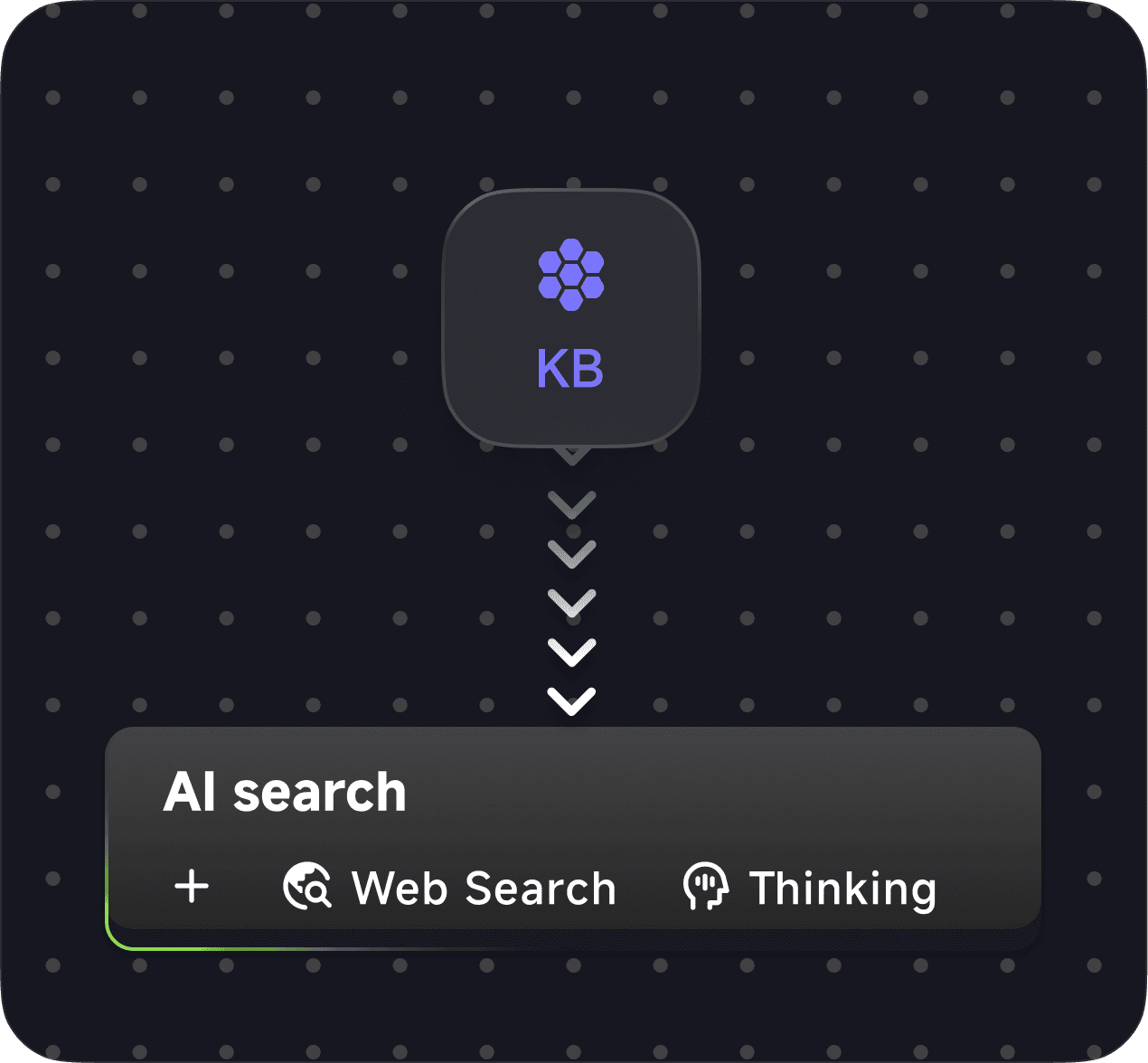
Retrieves KB data for precision. Delivers instant, reliable feedback for accurate outputs

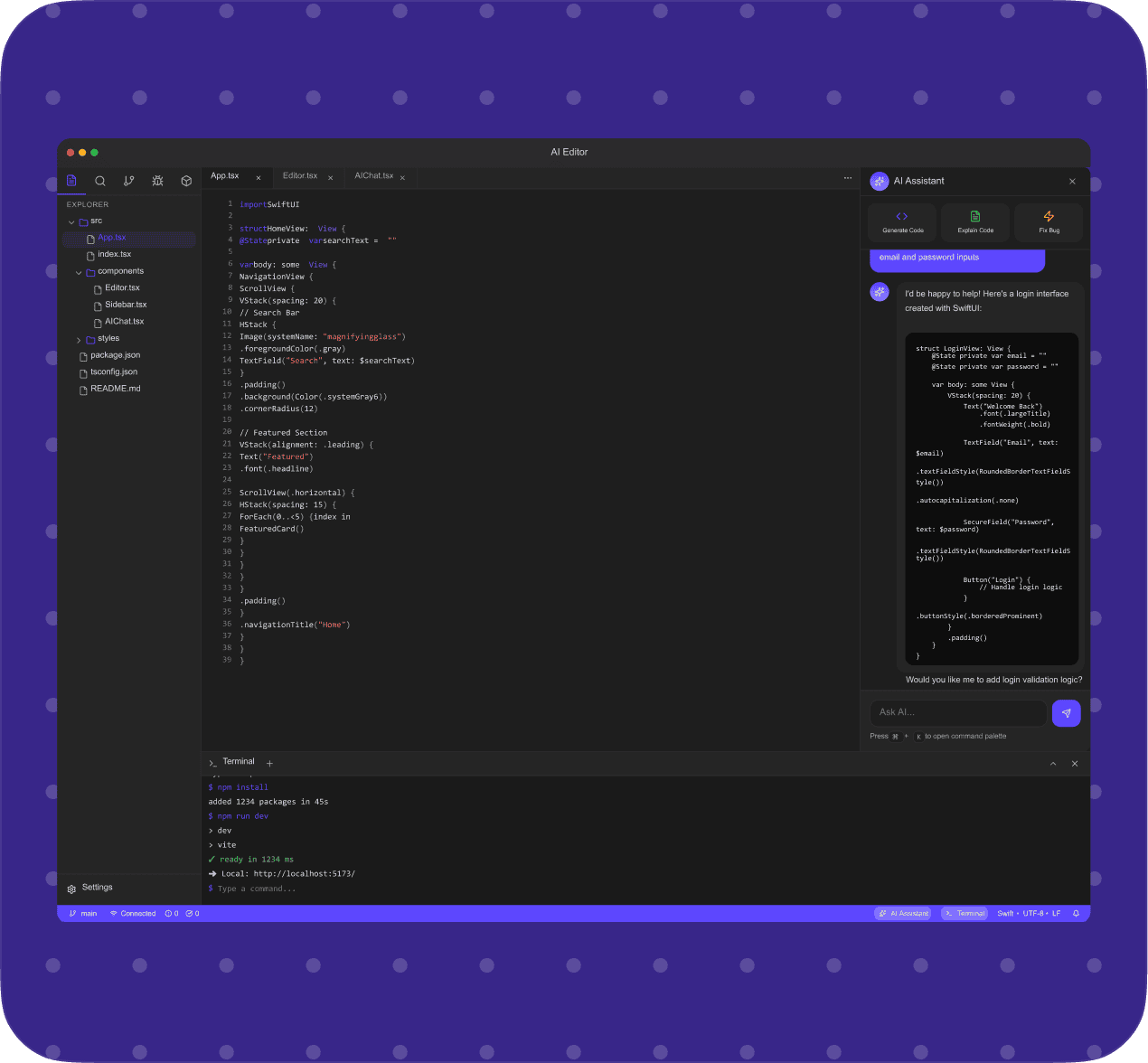
Smart coding with inline correction & auto-complete. Guides syntax & structural compliance
Retrieves linked data for precision. Delivers instant, reliable feedback
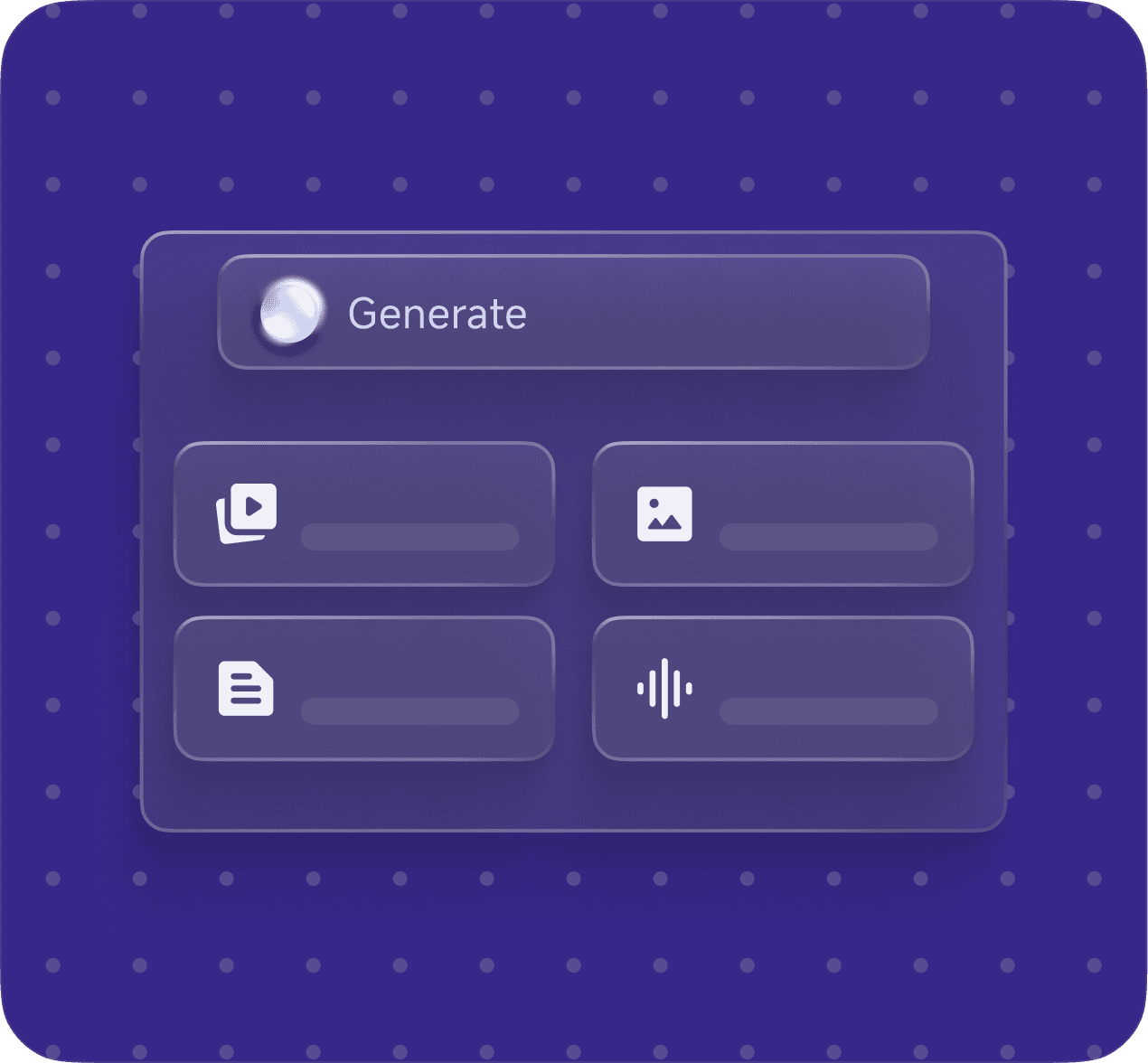
Multimodal creation (Text/Video). Auto-generates social copy & deep analysis reports
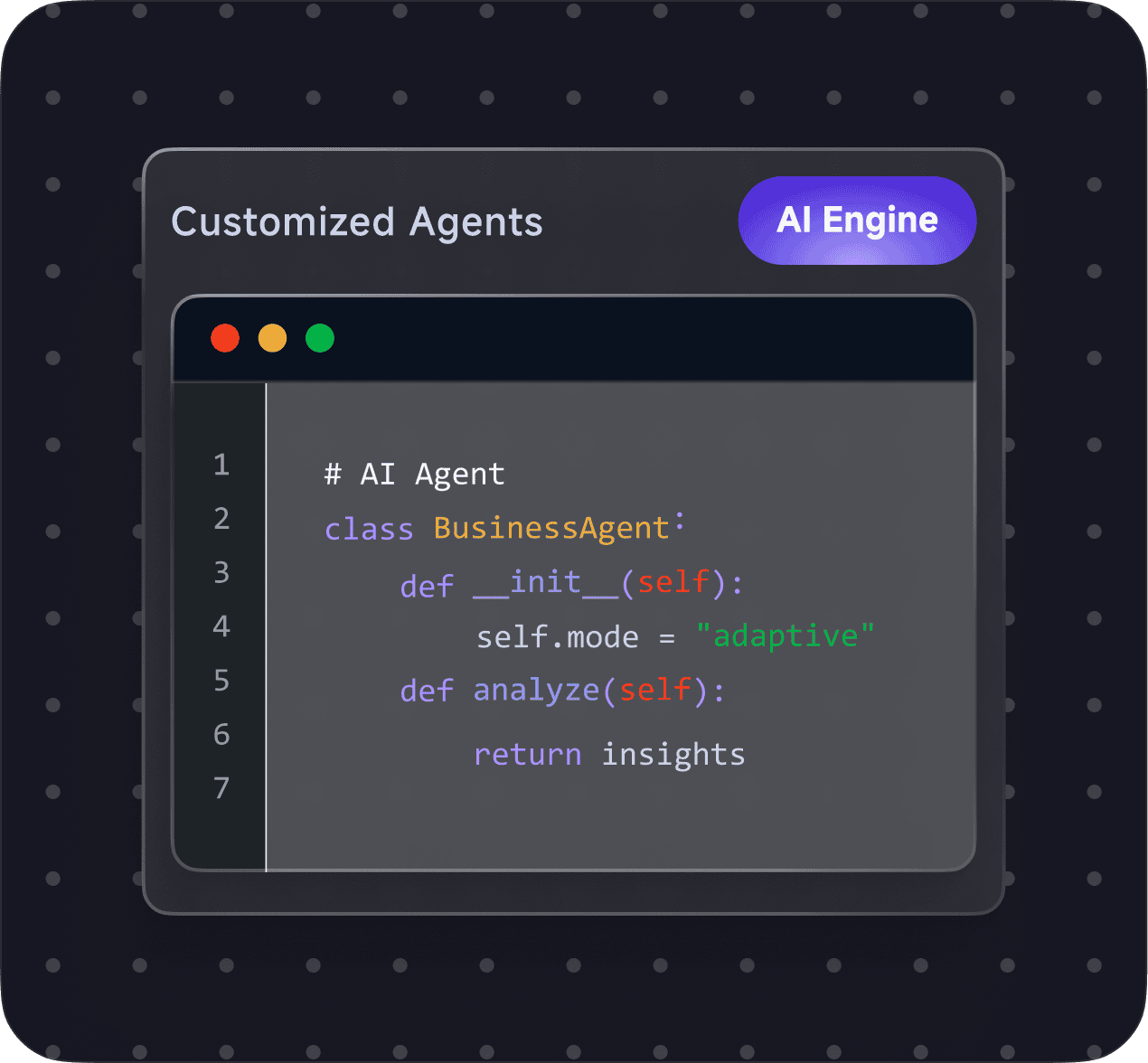
Logic planning & tool execution. Efficiently handles complex, multi-step workflows

Ensure stability. Transparent, controllable billing

Tailor high-perf models to needs. Auto one-click deployment

Run any model via API. Pay-as-you-go costs

Scalable inference & flexible deploy. Face traffic spikes easily

Unified API, Integrated routing, throttling cost control


No Compromises

High concurrency & low latency at competitive rates. Maximize your ROI

Optimized for LLMs. Experience lightning-fast inference

Fine-tuning & deploy with ease. No infra hassles or stack lock-in

Serverless or Dedicated servers. Deploy the way fits best
 Live Execution
One-API supports all models. Zero effort on integration

Zero data storage, ever. Your data always under your control


 WeChat
Scan QR code to follow DataEye Official WeChat Account

 TikTok
Scan QR code to follow DataEye Official Douyin Account

 Video Account
Scan QR code to follow DataEye Official WeChat Channels

 Weibo
WeiboScan QR code to follow DataEye Official Weibo Account